
Category: Uncategorized




Cat and Dog Parts: What’s Legal, What’s Not? [in the US]
Alright so all the time I see people asking about cat and dog parts and
there’s a LOT of confusion about what is and isn’t legal to
buy/sell/trade/own. The laws are vague when it comes to us collectors
because they weren’t made with us in mind, so I get it, it’s confusing.
I’m hoping this little guide can help!THE LAW AS IT IS WRITTEN:
(click here for the source)(b) Prohibitions
(1) In general It shall be unlawful for any person to—
(A)
import into, or export from, the United States any dog or cat fur product; or
(B)
introduce into interstate commerce, manufacture for introduction into interstate commerce, sell, trade, or advertise in interstate commerce, offer to sell, or transport or distribute in interstate commerce in the United States, any dog or cat fur product.(2) Exception
This subsection shall not apply to the
importation, exportation, or transportation, for noncommercial purposes,
of a personal pet that is deceased, including a pet preserved through
taxidermy.BONES:
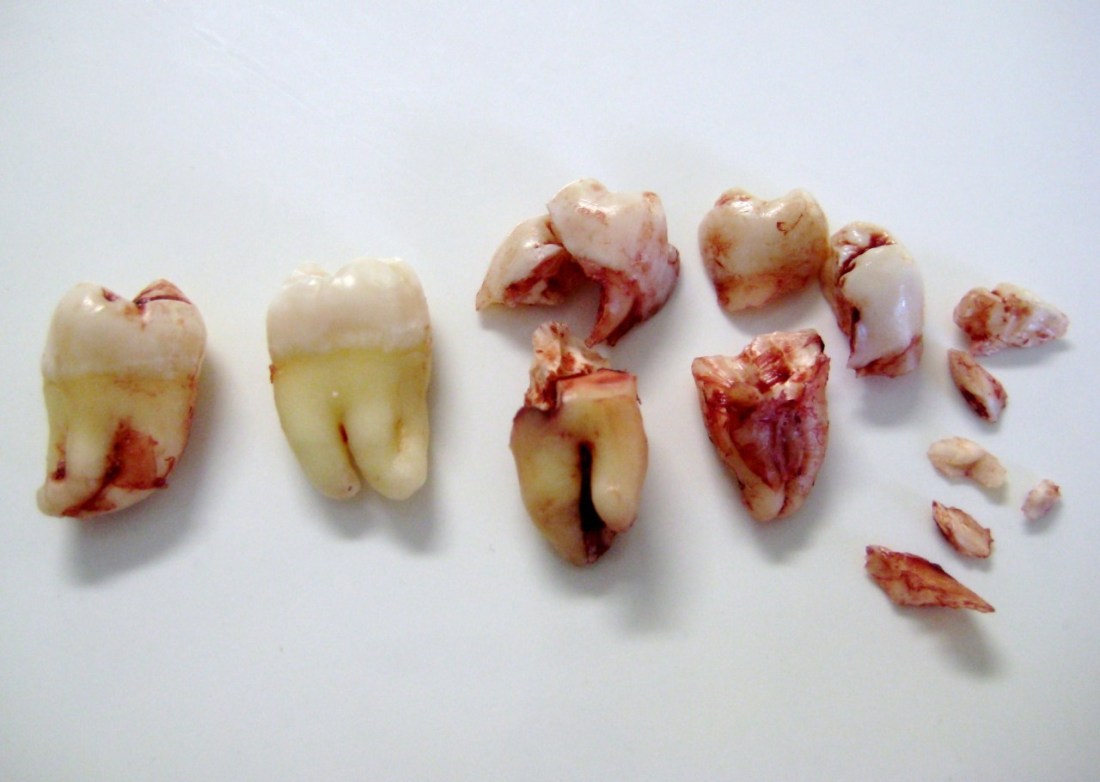
To start bones are not covered by this law at all. Bones are
legal. Skulls are legal. Teeth are legal. Even claws are legal (though
some people still get iffy about those since they can be included with
the pelt). Whether you have a single bone or fully articulated skeleton
it doesn’t matter, the law does not target bones. It very specifically states fur and fur products.TRANSPORTATION & SERVICES:
Another thing this law explicitly doesn’t prohibit
is transporting or the changing of hands for pets for preservation purposes. Because some people want to
have their pet preserved when they die, whether it’s to have their
skull/bones cleaned for display, have their pet cremated, have their pet
skinned out for a pelt, or have their pet mounted either traditionally
or freezedried.The important thing to remember is these aren’t animals
being sold, only temporarily changing hands. You pay for the services,
no one is buying/selling the pet itself.While I have seen dog
taxidermy for sale before, I’m not entirely sure of its legality, and
could not personally find any information on this. It seems that if a
family member who had a taxidermied pet passes away that mount can be
inherited, but otherwise I’d love to chat with someone who knows more. To stay on the safe side I would avoid purchases or trades involving finished taxidermy products involving cats or dogs. These are cat and dog fur products that have the potential to create a market demand for dead cats and dogs. That’s entirely what the law is aiming to prevent.People say it is legal to gift dog and cat pelts/products, but again this is something that’s probably best avoided. Just like you can legally gift bird parts from legally hunted birds that are otherwise covered by the MBTA, but people advise against doing so.
Interestingly, naturally shed pet fur also falls into this category. One neat thing people do with double coated breeds of dogs is spin their fur into yarn for knitting or needle felting with it. You can pay someone to make your dog’s fur into yarn, or even create a finished product with it, but you can’t sell already-made shed fur products.
WET/OTHERWISE PRESERVED SPECIMENS:
The logical conclusion most would reach from this law is that anything with
cat and dog fur or leather is 100% off-limits. But that’s where things
get tricky.Surprisingly, this law was not intended to target otherwise
preserved cats and dogs. That’s why you can find biomedical supply
websites that sell cats and dogs that are preserved via injections (like
formaldehyde/formalin), and why many people can recall dissecting cats
in school. That wet specimen fetal puppy you saw over on Facebook is, in
fact, legal.So why is this, you may ask? After all, the law very clearly states
any product containing cat and dog fur is explicitly illegal, and those
full specimens certainly contain fur.That’s when you look at the spirit of the law rather than the letter of the law.
The law was meant to target products that were being imported into
the US that were labeled as other furs (fox, rabbit, wolf, mink,
synthetics, etc.) but were actually dog and cat fur, mainly fur garments
and accessories or even toys. As you can imagine this didn’t go over so
well here in the states when it was discovered. There was evidence that
cats and dogs were even being bred for this express purpose. Not only
were people outraged about the fact that it was cats and dogs being
used, because we love them so dearly as pets, but people were also mad because this was
dishonest business that mislabeled furs in an attempt to make more
money. A dog is easier and cheaper to obtain than a wolf, for example.
Whether you cared about the ethics of the fur involved or the ethics of
business this was a very big deal.So because this was the target
which the law was focused on stopping, otherwise preserved specimens which
would not be suitable to make your traditional fur products with
weren’t really meant to be restricted. After all, those preserved
specimens are still argued to be valuable in the science and medical
fields as educational tools. Most people would not say that the fur from a
preserved whole specimen is usable (though I have seen people claim to
skin and successfully tan wet preserved animals…that said this would
not be cost or time effective so because of those factors this is not something the law is really focused on).Of course this can change, or you
could run into a law official who takes special issue with you and uses
the letter of the law against you. While I’ve never heard of this
happening I wouldn’t rule it out. Erring on the side of caution is never
a bad thing. Just don’t harass someone for doing this.HYBRIDS:
Now what about wolfdogs or coydogs?
These hit a legal gray area, because federally and in most states they are not considered to be “dogs”. They are considered exotic pets or even just wild animals, that’s why the rabies vaccine is not legally considered viable to them. Not to mention you could potentially find both in the wild that were born wild (and these could be considered a nuisance rather than native animal). Plus it may be difficult to prove what you actually have does have dog in it.
If the canine you possess looks more coyote or wolf than dog, you’re probably fine (so mid-to-high content only, essentially). Some doggy characteristics do appear in wild animals, such as black and tan coyotes that are not coydogs (yes this is a coloration that can happen). If they look very dog-like you may want to pass it up, because people can argue that it’s a pure dog. Study your anatomy and the differences between dogs and coyotes and wolves.
PARTS:
If you have leather or a pelt these are definitely off-limits. You may not buy, sell, or trade them. Even gifting is ill-advised. This includes everything, whether it’s a full pelt, a fur trim, a leather bag, a dried paw, a tail, whatever. It doesn’t matter if it is the whole animal or a piece of them, it is off limits.
OWNING CAT/DOG FUR:
Owning cat and dog fur can be done legally. Again, the law doesn’t want to prohibit people from owning their pet’s remains. It is perfectly legal to keep your deceased pet in any state, preserved or not.
This is where you’ll see people trying to collect roadkill domestics, or even try to pester their local veterinary offices or shelters for carcasses (note: most will tell you no, or it can actually be illegal for them to give you animal remains).
Pets are legally classified as property. As such taking someone’s cat or dog, dead or alive, is stealing. Now if it is your pet it is your legal property. Likewise if you find a lost or deceased pet many states have legal holding periods. You must try to find an owner during that period. And by try I mean contacting shelters/animal control, putting up listings, asking around, looking at lost pet listings, etc. You cannot just nab an animal and wait it out. With live animals you usually have to go through an adoption process through a shelter before the pet is actually considered to be yours.
With dead animals it’s a bit more tricky and controversial. Many people pick up roadkill and, when no owner is found after no less than a month of searching, will just keep it without notifying authorities. This is because in most cases said authorities will want to dispose of the corpse for you, which people intent on keeping said body parts are trying to avoid (you can still try to ask and see). This is why it’s controversial. Technically if you keep the animal past the legal holding period without finding an owner while actively searching the animal is not considered to be the original owner’s pet anymore. Most animals people pick up are strays (particularly cats) in areas known to have strays, some of these strays being known as such before finding them dead. It is not illegal to keep the fur/leather from these animals, but its something other people will likely challenge you about.
Keep documentation of any animal you pick up. Put in a found report with your local shelters. Hold onto them. For more about this topic see my other post, I Found a Dead Cat/Dog.
BOTTOM LINE:
Bottom line is if you’re not sure assume it’s not legal. It’s better to be safe than sorry. If you see someone doing something and you’re not sure it’s legal, privately message them and ask. If you see someone doing something that is definitely illegal, contact them and find out if they know what they’re doing is illegal. If they know it is and continue to do it anyway then yes, please report them.
Also please remember this post only applies to people in the United States of America. Other countries have different laws. Do not harass someone from a different country unless you know for certain they are violating their country’s laws, or are trying to do business with someone from the US in a way that would violate our import laws.
I hope people find this helpful. Please feel free to add on to this post or correct any information or anything else.
THIS IS NOT INTENDED TO BE LEGAL ADVICE. PLEASE DO YOUR OWN RESEARCH AND ASK YOUR OFFICIALS.
I was in a cabin with a few other people, and there was something really wrong outside. I remember animals kept coming up to the door, and we’d look, hoping for a regular creature to signal that the world was going back to normal. Every time, something would be /wrong/ with the critter. The last one before I woke up was a sheep whose right hind leg was a human one, folded so that they were walking on the knee and the foot was at their hip.







 churchyardgrim